

.png)

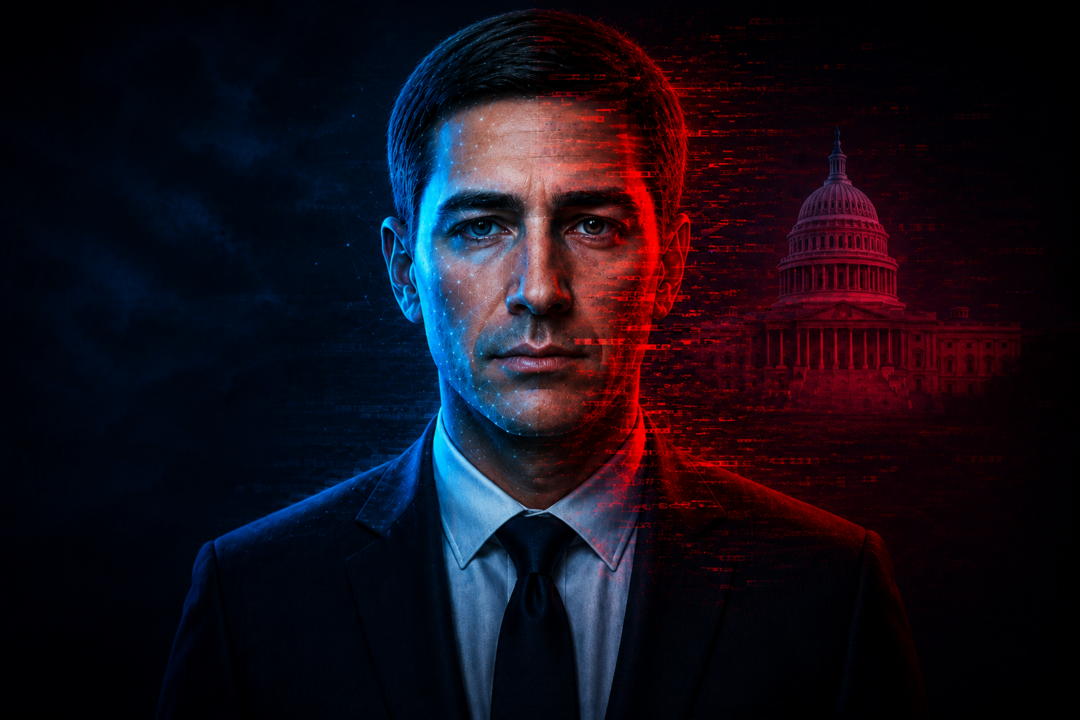
The fog of war has always been thick with propaganda, false reports, and manufactured narratives. But in the age of artificial intelligence, that fog has taken on an entirely new and far more dangerous form. Deepfakes, hyper-realistic synthetic media generated by AI, are no longer just a curiosity or a celebrity scandal tool. They are now a weapon. Deployed in active conflict zones, political crises, and influence operations across the globe, deepfakes have become one of the most potent instruments of modern disinformation.
Understanding how this technology works, how it is being weaponized, and how it can be detected is no longer optional for governments, journalists, or informed citizens. It is a matter of national security.
What Are Deepfakes and Why Do They Matter in Conflict?
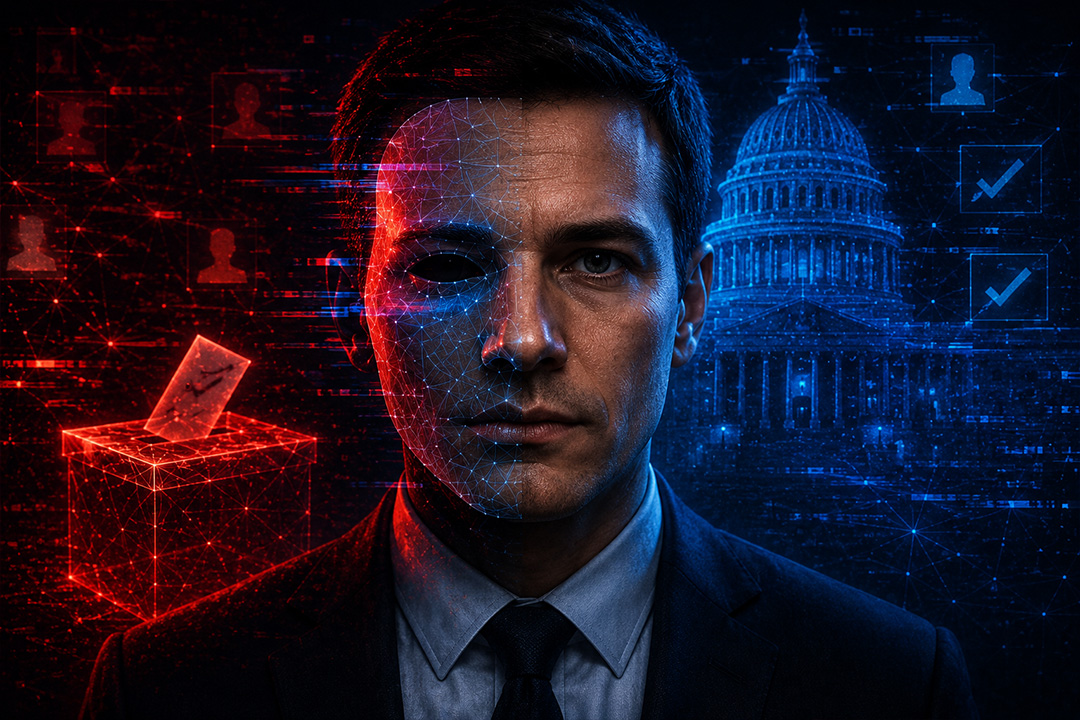
Deepfakes are AI-generated videos, images, or audio recordings that convincingly replace one person's likeness or voice with another's. Powered by deep learning models, particularly generative adversarial networks (GANs), these synthetic media products have reached a level of realism that can fool even trained observers at first glance.
In peacetime, the harms of deepfakes are serious enough: non-consensual intimate imagery, financial fraud, and political smear campaigns. But in the context of armed conflict or geopolitical tension, the stakes are dramatically higher.
The Unique Danger of Synthetic Media During Wartime
When a country is already on edge, a fabricated video of a military commander announcing a retreat, a fake audio clip of a president ordering a ceasefire, or a synthetic broadcast showing civilians being attacked can trigger real-world consequences within minutes. Panic spreads. Troops receive conflicting orders. International observers react before verification is complete. In fast-moving conflict scenarios, the window between a deepfake going viral and it being debunked is often wide enough to cause irreparable damage.
This is precisely why deepfake detection has become a core concern for intelligence agencies, defense ministries, and forensic technology firms like Deepdive Forensics Lab, which specializes in identifying and analyzing synthetic media to support clients navigating this evolving threat landscape.
How Deepfakes Are Being Used in Active Disinformation Campaigns
Across multiple theaters of conflict and political instability in recent years, deepfakes and AI-generated synthetic media have surfaced as deliberate tools of confusion and deception. The tactics vary, but the goals remain consistent: erode trust, amplify fear, and shape narratives.
Fabricated Statements from World Leaders
One of the most alarming applications of deepfake technology in conflict is the creation of fake statements attributed to heads of state or military commanders. A fabricated video showing a national leader ordering surrender, announcing a change in policy, or making inflammatory remarks about a rival nation can circulate rapidly on social media before any official denial is possible.
During the early weeks of the Russia-Ukraine conflict in 2022, a deepfake video circulated showing Ukrainian President Volodymyr Zelensky apparently calling on his troops to lay down their arms. The video was quickly identified as synthetic and debunked by Ukrainian officials and fact-checkers, but its rapid spread demonstrated the operational viability of this tactic. The attack failed in that instance largely due to quick detection, but the playbook was written, and adversaries took note.
Synthetic Atrocity Footage
Another deeply troubling use case involves the fabrication of atrocity footage, fake videos purporting to show war crimes, civilian massacres, or chemical weapons attacks. These fabrications serve multiple disinformation goals at once. They can be used to falsely implicate an enemy faction, to provoke international outrage based on events that never occurred, or to discredit genuine documentation of real atrocities by muddying the evidentiary waters.
If you are a journalist, legal investigator, or NGO working with conflict documentation, getting in touch with a forensic verification service such as Deepdive Forensics Lab can be a critical step before publishing or submitting visual evidence.
AI-Cloned Audio in Battlefield Operations
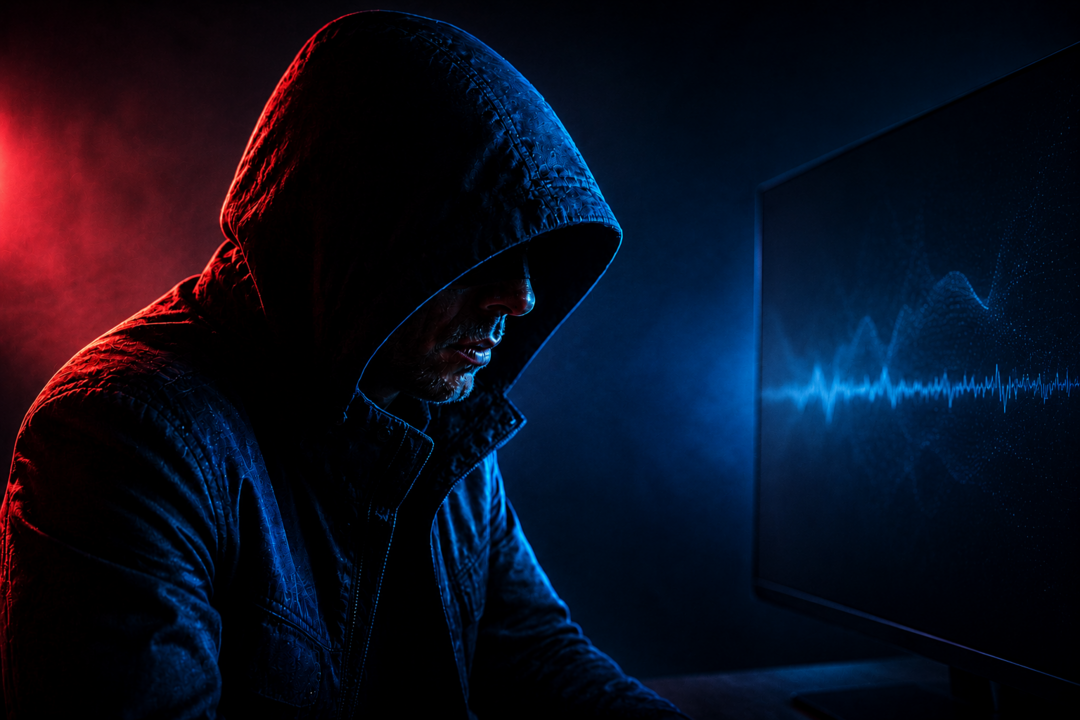
Beyond video, synthetic audio is increasingly being used to impersonate military officers, intelligence contacts, or government officials. Voice cloning technology has advanced to the point where a credible imitation of a known voice can be generated from just a few minutes of publicly available audio. In operational environments where commanders issue orders over radio or phone, this creates a dangerous vector for misinformation and potential mission compromise.
Fake Troop Movements and Fabricated Satellite Imagery
The disinformation ecosystem around conflict has also expanded to include AI-generated satellite imagery and synthetic battlefield footage. Fabricated images purporting to show troop buildups, destroyed infrastructure, or military hardware have been seeded into news cycles to mislead both the public and decision-makers. When combined with authentic-looking metadata and plausible sourcing, these synthetic images can be extraordinarily difficult to identify without specialized analysis tools.
Who Is Behind Conflict Deepfake Campaigns?
Attribution in the world of synthetic media disinformation is complex, but researchers and intelligence agencies have identified several consistent actors and patterns.
State-Sponsored Information Warfare
Nation-states with advanced cyber capabilities and established information warfare units have been identified as primary orchestrators of sophisticated deepfake campaigns. These operations are typically coordinated alongside other influence tactics, including bot networks, hacked document leaks, and coordinated inauthentic behavior across social platforms.
Russia, China, Iran, and North Korea have all been cited in various government and independent research reports as countries with active state-sponsored disinformation infrastructure that has incorporated or is developing synthetic media capabilities. This is not to say that Western nations are immune; state-level information operations have been documented across the political spectrum globally.
Non-State Actors and Proxy Groups
Terrorist organizations, insurgent groups, and politically motivated non-state actors have also demonstrated willingness to weaponize deepfake technology. The barrier to entry has fallen dramatically. What once required significant technical expertise and computational resources can now be accomplished with consumer-grade software and widely available AI tools, meaning that asymmetric actors with limited resources can still deploy effective synthetic media operations.
Domestic Political Actors Exploiting Conflict Narratives
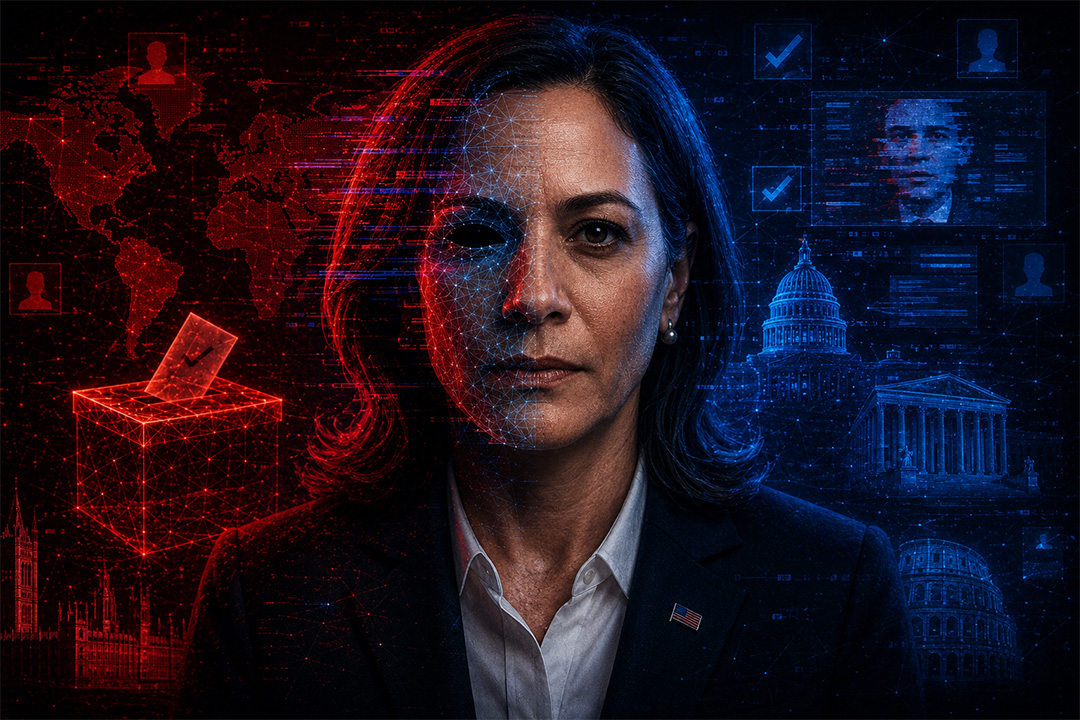
It is also worth noting that deepfake disinformation during conflicts is not always generated by parties directly involved in the fighting. Domestic political actors in third-party nations, seeking to exploit public emotion around a distant conflict to advance their own agendas, have used synthetic media to push narratives that serve their electoral or ideological interests.
The Detection Challenge: Why Spotting Deepfakes Is So Hard
For every advance in deepfake detection, the generative models used to create synthetic media grow more sophisticated. This is sometimes described as an arms race between creation and detection, and it is a race without a clear finish line.
Why Human Eyes Cannot Be Trusted
The uncomfortable truth is that humans are poor at detecting deepfakes, particularly high-quality ones. Studies have consistently shown that even trained individuals struggle to distinguish synthetic video from authentic footage when the quality is high. The tell-tale signs that once gave deepfakes away, such as unnatural blinking, facial boundary artifacts, and inconsistent lighting, have largely been resolved by current generation models.
This is why technological intervention is essential. Forensic analysis platforms use a range of methodologies including frequency domain analysis, biological signal detection, compression artifact analysis, and neural network classifiers to identify synthetic media with a reliability that human inspection simply cannot match.
If you are dealing with media that needs to be verified, whether for legal proceedings, journalistic publication, or security assessments, professional forensic analysis from a firm like Deepdive Forensics Lab offers a level of scrutiny that goes far beyond what unaided human review can provide.
The Provenance Problem
A core challenge in fighting deepfake disinformation is the lack of reliable media provenance infrastructure. Authentic media increasingly carries metadata that can be traced back to a verified source and device, but this infrastructure is incomplete and inconsistently adopted. Synthetic media, by contrast, can be generated without any traceable origin point and distributed with falsified or stripped metadata.
Initiatives like the Content Authenticity Initiative (CAI) and the Coalition for Content Provenance and Authenticity (C2PA) are working to establish technical standards for media provenance, but adoption remains limited, particularly in the conflict journalism and user-generated content ecosystems where deepfake disinformation is most dangerous.
What Governments and Institutions Are Doing About It
The policy response to deepfakes in conflict disinformation is still catching up with the technological reality, but momentum is building.
Legislative and Regulatory Efforts
Several countries have introduced or are considering legislation targeting malicious deepfake use. The European Union's AI Act addresses synthetic media through transparency requirements, including mandates that AI-generated content be labeled as such. In the United States, various federal and state-level proposals have targeted non-consensual deepfakes and politically deceptive synthetic media, though comprehensive federal legislation remains pending.
Military and Intelligence Investment in Detection
Defense agencies in multiple countries have made significant investments in deepfake detection capabilities. DARPA's Media Forensics program, launched years ahead of the current crisis, has produced detection tools now being integrated into intelligence workflows. NATO has also recognized synthetic media as a key component of modern hybrid warfare and has incorporated detection and attribution capabilities into its information operations doctrine.
The Role of Private Sector Forensics
Governments and intergovernmental bodies cannot address this challenge alone. Private sector forensic technology firms play an increasingly important role in the detection and mitigation ecosystem. Organizations working in conflict documentation, journalism, human rights monitoring, and legal accountability are turning to specialized providers to validate visual evidence before it enters the public record or a courtroom.
Deepdive Forensics Lab works with clients across these sectors, providing detailed synthetic media analysis that supports both investigative and evidentiary processes. If your organization handles digital media in high-stakes environments, exploring professional forensic services is a practical and necessary step.
Protecting Your Organization from Deepfake Disinformation
Whether you work in media, government, defense, law, or civil society, the rising tide of deepfake disinformation in conflict contexts demands a proactive organizational response.
Verification Protocols for Visual Media
Newsrooms and research organizations should establish formal verification protocols for any visual media originating from conflict zones before it is published or amplified. This means going beyond reverse image search and geolocation to include forensic analysis of compression patterns, pixel-level inconsistencies, and metadata integrity.
Training and Awareness
Staff who regularly handle digital media, including editors, analysts, social media managers, and legal teams, should receive regular training on the current state of synthetic media threats. This training should include familiarity with available detection tools, awareness of emerging disinformation tactics, and clear escalation procedures when suspected synthetic content is identified.
Partnering with Forensic Experts
For organizations that do not have in-house forensic capability, establishing a relationship with a trusted forensic analysis partner is essential. Deepdive Forensics Lab offers consultations and analysis services tailored to the specific verification needs of organizations navigating the synthetic media threat environment.
The Bottom Line
Deepfakes have crossed a threshold. They are no longer a niche technological curiosity or a future risk to be monitored at a comfortable distance. In conflict zones, geopolitical flashpoints, and the information spaces that surround them, synthetic media is already being deployed as a weapon with real-world consequences.
The societies, institutions, and organizations that will fare best in this environment are those that take the threat seriously now, invest in detection capability, establish robust verification protocols, and build partnerships with experts who understand both the technical and strategic dimensions of this challenge.
The battle for truth in conflict is ancient. The tools being used to fight it are entirely new. Staying ahead requires awareness, expertise, and the right partners by your side.
To learn more about deepfake detection and forensic media analysis services, visit Deepdive Forensics Lab at https://www.deepdiveforensics.ai.

.svg)
.svg)
.svg)
.svg)