

.png)

The battlefield has changed. Modern conflict is no longer fought exclusively with weapons and troops - it plays out in the minds of civilians, soldiers, policymakers, and voters. Cognitive warfare, the deliberate effort to shape how people think, believe, and decide, has become one of the most consequential forms of modern conflict. And deepfakes have emerged as one of its most powerful tools.
Synthetic media, generated using artificial intelligence, can now replicate a person's face, voice, and mannerisms with stunning accuracy. What once required Hollywood-grade production budgets can now be accomplished with a consumer laptop and free software. This democratization of deception has handed a potent weapon to state actors, political operatives, terrorist organizations, and lone bad actors alike.
Understanding how deepfakes function within cognitive warfare is no longer a niche concern for intelligence agencies. It is a critical literacy for anyone operating in the digital information environment.
What Is Cognitive Warfare?
Cognitive warfare refers to operations designed to influence the beliefs, perceptions, and decision-making of a target population. Unlike traditional propaganda, which relied on the manipulation of text and images, cognitive warfare in the digital age exploits the speed, scale, and emotional immediacy of online media.
The goal is not always to convince people of a specific lie. Often, it is simply to create confusion - to make people unsure of what is real, who to trust, and what version of events to believe. This epistemic chaos weakens social cohesion, erodes trust in institutions, and makes populations easier to manipulate.
How Deepfakes Fit Into This Framework
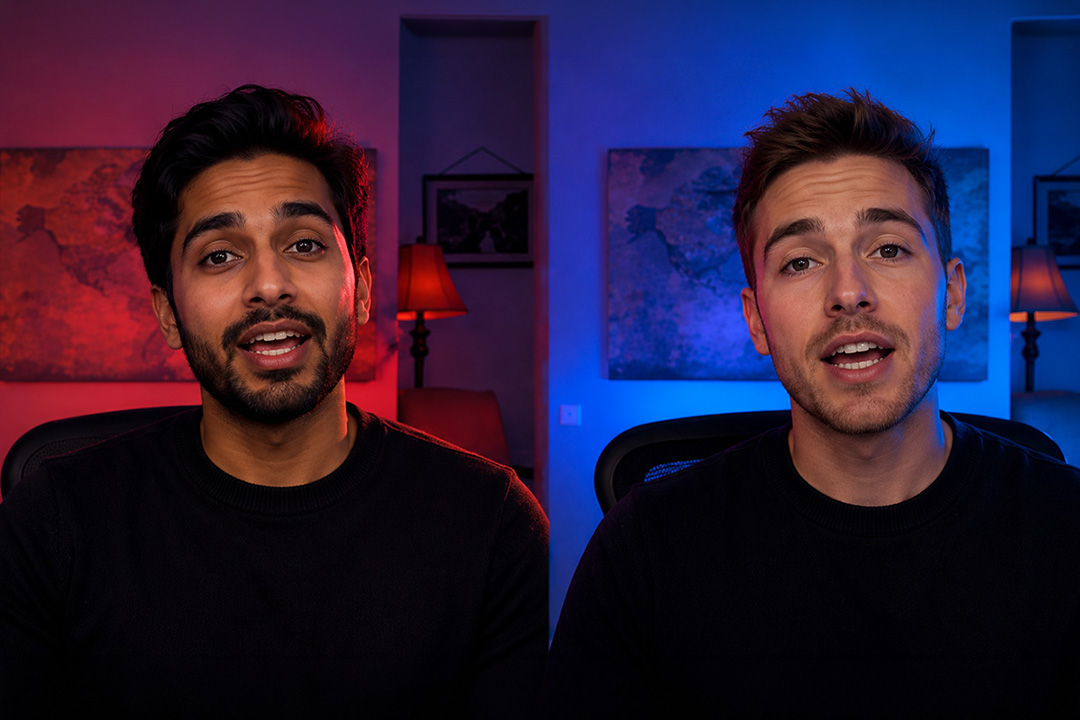
Deepfakes are ideally suited for cognitive warfare because they exploit the brain's deeply ingrained trust in audiovisual evidence. Humans evolved to believe what they see and hear. For most of history, a video of a political leader making a statement was considered near-irrefutable evidence. Deepfakes shatter that assumption.
By inserting fabricated statements into the mouths of real people, or by constructing entirely synthetic personas that appear completely human, deepfakes allow bad actors to:
- Fabricate statements by political leaders or military officials
- Create false evidence of atrocities or war crimes to inflame public sentiment
- Undermine trust in legitimate communications by casting doubt on real footage
- Manipulate financial markets through fake executive announcements
- Radicalize individuals through synthetic influencer content designed to exploit emotional vulnerabilities
The implications extend far beyond embarrassment or reputational damage. In active conflict zones or politically unstable regions, a single convincing deepfake distributed at the right moment can trigger violence, destabilize governments, or derail peace negotiations.
Real-World Examples of Deepfakes in Information Operations
The threat is not theoretical. Documented cases of deepfakes being deployed in information operations are multiplying, and the sophistication of attacks is increasing year on year.
In the early days of the Russia-Ukraine conflict, a deepfake video circulated showing Ukrainian President Volodymyr Zelensky appearing to urge his troops to lay down their arms and surrender. The video was quickly debunked, but its rapid spread across social media platforms demonstrated how effectively synthetic media can be weaponized to sow confusion during critical moments. Even a brief window of believability can have real strategic consequences.
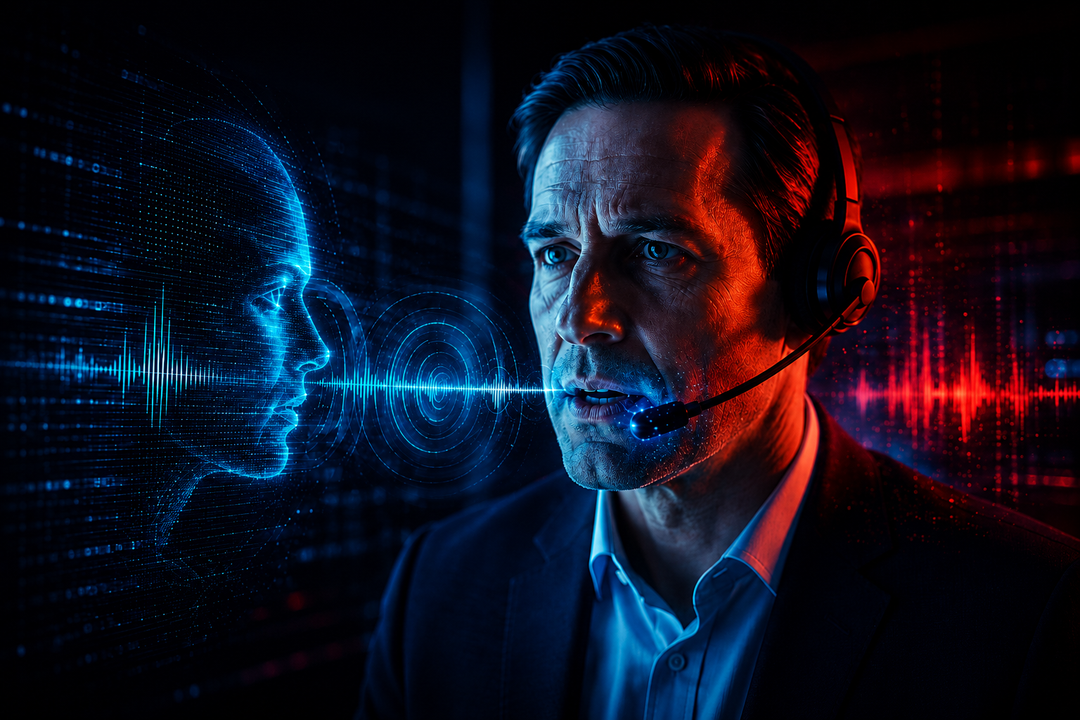
In other contexts, deepfake audio recordings have been used to impersonate executives and authorize fraudulent wire transfers, blending financial crime with the same technical methods now being applied to geopolitical manipulation. The techniques are identical. Only the target and the motive differ.
If your organization handles sensitive communications, executive identity verification, or operates in high-stakes information environments, this is the moment to evaluate your detection capabilities. Deepdive Forensics Lab provides professional deepfake detection and digital media forensics services designed for exactly these scenarios.
The Mechanics of Deepfake-Enabled Cognitive Attacks
Synthetic Media as a Wedge
One of the most underappreciated functions of deepfakes in cognitive warfare is not the fake video itself but the doubt it introduces into real content. Once a population becomes aware that deepfakes exist and are widely circulated, they become more likely to dismiss authentic footage as fabricated. This is sometimes called the "liar's dividend" - the ability to discredit genuine evidence by pointing to the existence of synthetic media.
A government committing human rights abuses can now claim that incriminating footage is AI-generated. A corrupt official caught on camera can allege that the recording is a deepfake. The mere possibility of synthetic media becomes a rhetorical shield for those who wish to escape accountability.
Persona Fabrication and Influence Networks
Deepfakes are also being used to construct entirely fictional identities for use in influence operations. Synthetic profile photos, created using generative adversarial networks, have been used to populate fake social media accounts that pose as grassroots political movements. When these accounts are further equipped with deepfake video content, they become far more convincing and far harder to detect.
These synthetic persona networks can amplify disinformation, target specific demographic groups with tailored messaging, and simulate social consensus around fringe ideas. The result is a manufactured reality that can shift public opinion in measurable ways before any corrective information reaches affected audiences.
Microtargeted Emotional Manipulation
Advanced cognitive warfare operations do not broadcast a single message to a mass audience. They deploy customized content to specific individuals or communities based on psychological profiles and behavioral data. Deepfakes are increasingly being adapted for this purpose.
Imagine a synthetic video of a local political figure, or a community leader, appearing to endorse a position or confess to wrongdoing. Distributed only to members of a particular community or demographic group, this kind of targeted synthetic media can drive wedges between communities, suppress voter turnout, or incite localized conflict with minimal risk of widespread detection.
This level of precision makes the threat significantly harder to counter through conventional media literacy campaigns alone.
Why Detection Is a National Security Imperative
The strategic value of deepfakes to adversaries is directly proportional to the difficulty of detecting them. As generative AI models become more sophisticated and more accessible, the gap between what humans can perceive and what machines can fabricate continues to widen.
Manual review by trained analysts is no longer sufficient at scale. Social media platforms process hundreds of hours of video content every minute. By the time a deepfake is identified and removed, it may have already been seen by millions of people and reshared across dozens of platforms beyond the reach of any single moderation system.
This is why forensic detection infrastructure matters. Organizations that operate in media, government, finance, legal, or national security contexts need access to reliable, technologically advanced deepfake detection capabilities. Deepdive Forensics Lab offers detection services built on cutting-edge forensic methodology, providing the analytical depth required to assess synthetic media with precision and speed.
The Legal and Evidentiary Dimensions
As deepfakes migrate into legal proceedings, the stakes grow even higher. Courts increasingly rely on digital evidence - video recordings, audio files, images - to establish facts in criminal and civil cases. If that evidence cannot be authenticated, the reliability of the entire legal process is compromised.
Prosecutors presenting video evidence of a crime must now anticipate deepfake defenses. Defense attorneys questioning the authenticity of surveillance footage face similar challenges in the opposite direction. Judges and juries, who lack the technical background to evaluate synthetic media claims, are being asked to make decisions that hinge on questions of digital authenticity.
Forensic authentication of digital media is becoming a fundamental requirement in high-stakes legal contexts. If you are involved in legal proceedings where the authenticity of audio or video evidence is in question, Deepdive Forensics Lab provides forensic analysis and expert reporting that meets evidentiary standards.
Building Resilience Against Synthetic Deception
Organizational Preparedness
Governments, militaries, media organizations, and large enterprises all need to develop specific protocols for responding to deepfake incidents. This includes:
- Establishing verification workflows before acting on or distributing sensitive video or audio content
- Training communications and security teams to recognize the indicators of synthetic media
- Maintaining relationships with forensic media authentication providers who can respond rapidly during a crisis
- Developing public communications strategies for addressing deepfake incidents without amplifying the original content
Technological Countermeasures
On the technical side, several approaches are being developed to address the synthetic media threat. Digital watermarking and content provenance systems, such as those promoted by the C2PA (Coalition for Content Provenance and Authenticity) standards body, aim to create verifiable chains of custody for digital content from the moment of capture.
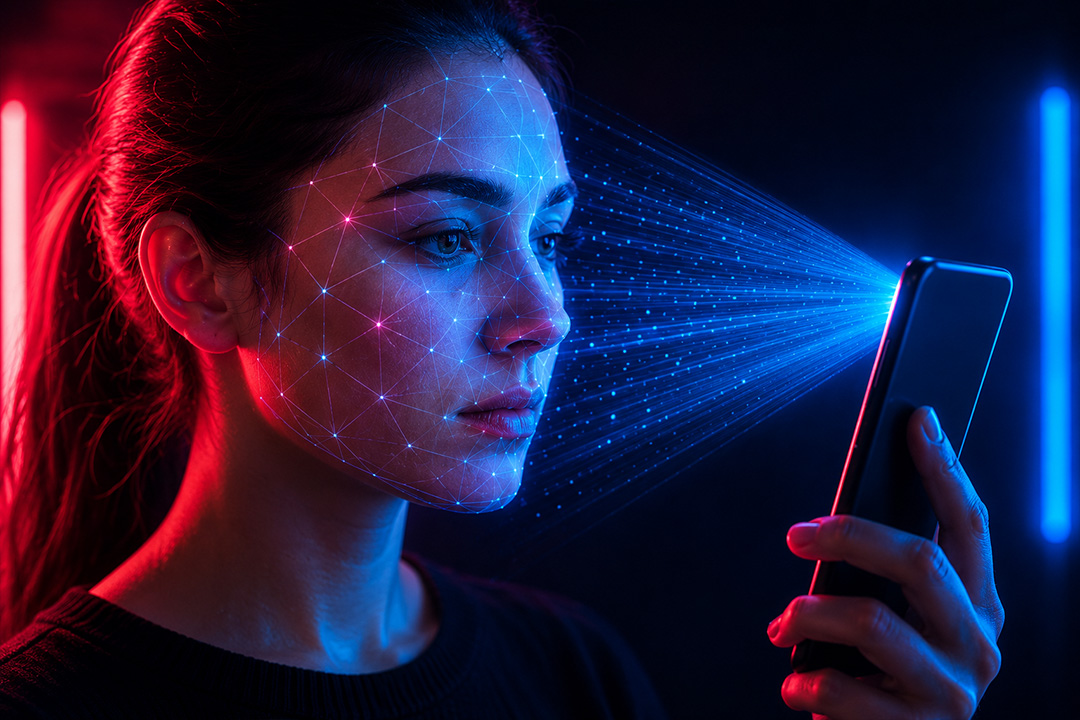
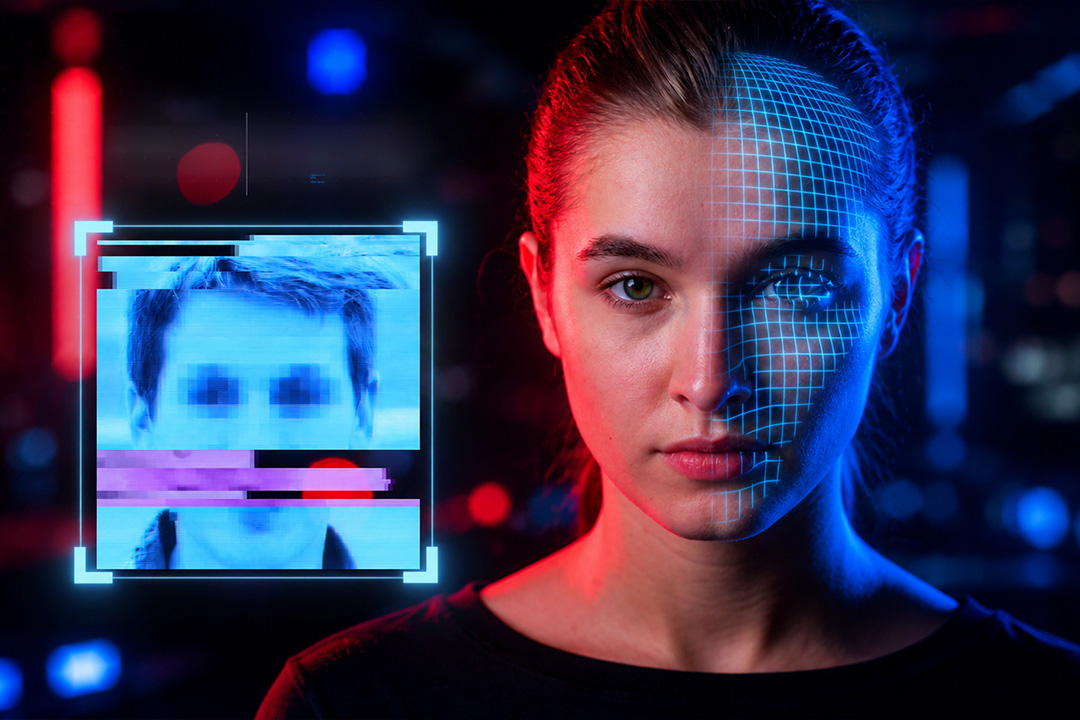
AI-based detection models can analyze facial inconsistencies, unnatural blinking patterns, lighting anomalies, and audio-visual synchronization errors that are invisible to the human eye but detectable through computational analysis. These tools are evolving rapidly, and access to state-of-the-art detection infrastructure is a meaningful competitive and security advantage for any organization that handles high-value media content.
Media Literacy as a Partial Solution
Public education about synthetic media is valuable but not sufficient on its own. Research consistently shows that warning labels and debunking efforts have limited effectiveness once false information has been absorbed and emotionally processed. Prevention, through verification before distribution, remains far more effective than correction after the fact.
Organizations that handle and publish media content have a particular responsibility to build verification into their editorial and operational workflows rather than relying on audiences to exercise skepticism post-publication.
The Geopolitical Stakes
The integration of deepfakes into cognitive warfare operations is not a speculative future scenario. It is an active and accelerating present reality being shaped by state-level investment in synthetic media capabilities and the diffusion of those capabilities to non-state actors through open-source AI tools.
Nations that fail to develop robust detection infrastructure, legal frameworks for synthetic media, and organizational resilience against information operations will find themselves at a significant strategic disadvantage. The same technology that allows a film studio to de-age an actor allows a foreign intelligence service to put fabricated words in the mouth of a head of state. The gap between creative application and weaponization is measured in intent, not in capability.
For organizations seeking to understand their exposure to synthetic media threats and access professional forensic analysis, visiting Deepdive Forensics Lab is a practical starting point.
The Bottom Line
Deepfakes represent a qualitative shift in the toolkit available to those who seek to manipulate public perception and destabilize societies. They exploit cognitive vulnerabilities that no amount of awareness training can fully overcome, they scale at speeds that outpace human review, and they introduce a structural doubt into the information environment that benefits bad actors long after any individual fabrication is debunked.
Cognitive warfare has always targeted the mind. What has changed is the fidelity of the weapons now available and the ease with which they can be deployed. The response must be proportionate: technically sophisticated, institutionally embedded, and legally supported.
If your organization operates in any domain where the authenticity of digital media is mission-critical, the time to build detection and response capabilities is before an incident occurs, not during one. Explore what forensic-grade synthetic media detection looks like in practice at Deepdive Forensics Lab.

.svg)
.svg)
.svg)
.svg)