
.png)
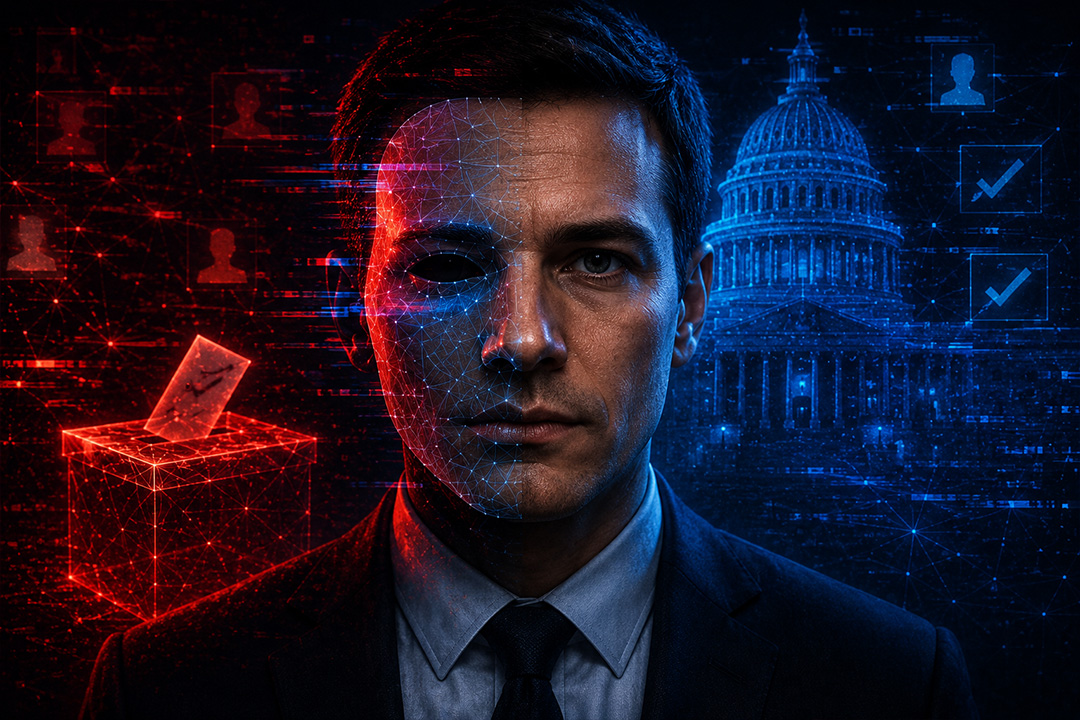
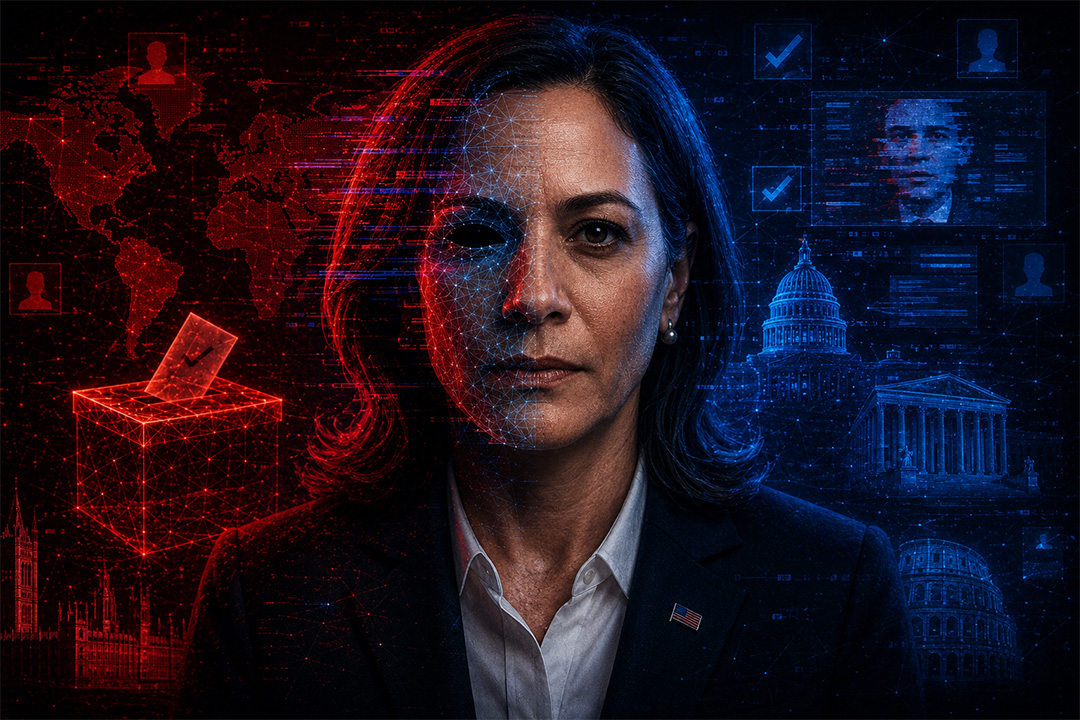
Elections depend on voters being able to trust what they see and hear from candidates, officials, and each other. Deepfake technology attacks that trust directly, and unlike many other deepfake-enabled harms, the damage from an election-related deepfake doesn't require the content to remain undetected indefinitely. It often just needs to spread faster than a correction can catch up, in the narrow window before votes are cast.
This post examines the specific ways deepfakes threaten democratic elections, documented incidents from recent election cycles, and the response measures being built by platforms, governments, and civil society. Understanding this threat landscape is central to the election integrity monitoring work Deepdive Forensics Lab does around critical voting periods.
Why Elections Are a Uniquely Vulnerable Target
Time-Sensitive Impact
Most deepfake harms play out over an extended period, ongoing fraud, gradual reputational damage, sustained disinformation campaigns. Election-related deepfakes operate on a compressed timeline. Content released in the days immediately before a vote can influence outcomes even if it's debunked shortly afterward, because the correction rarely reaches the same audience with the same intensity as the original content.
High Emotional and Partisan Charge
Election-related content spreads faster when it confirms existing beliefs or provokes strong emotional reactions, both of which are common in political content generally. This makes fabricated content involving candidates or hot-button issues particularly likely to spread widely before verification can catch up.
Difficulty of Rapid, Authoritative Correction
Unlike a corporate fraud incident, where a company can issue an authoritative statement, election-related deepfakes often lack an equivalently trusted, universally accepted verification source, particularly in politically polarized environments where even fact-checking organizations face credibility disputes along partisan lines.
Documented Patterns From Recent Election Cycles
While specific incidents vary by country and election, several patterns have recurred across multiple documented cases globally.
Fabricated Candidate Statements
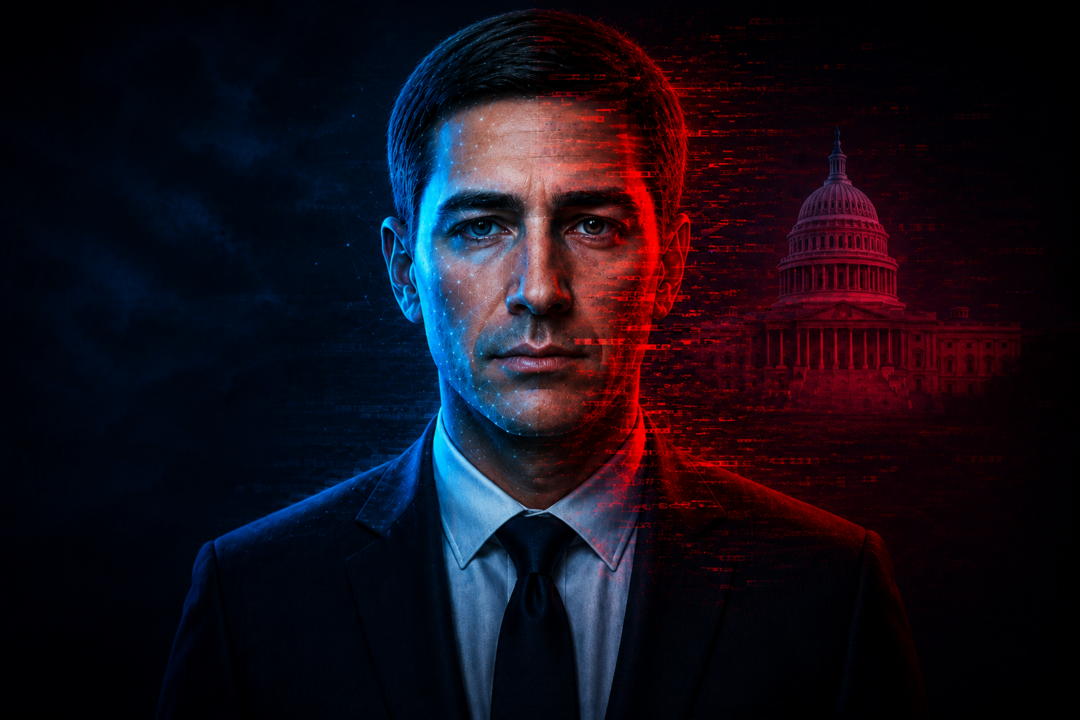
Synthetic audio or video depicting a candidate saying something they never said, ranging from policy positions to inflammatory remarks, remains one of the most direct and damaging deepfake applications in an election context.
Fabricated Voter Suppression Content
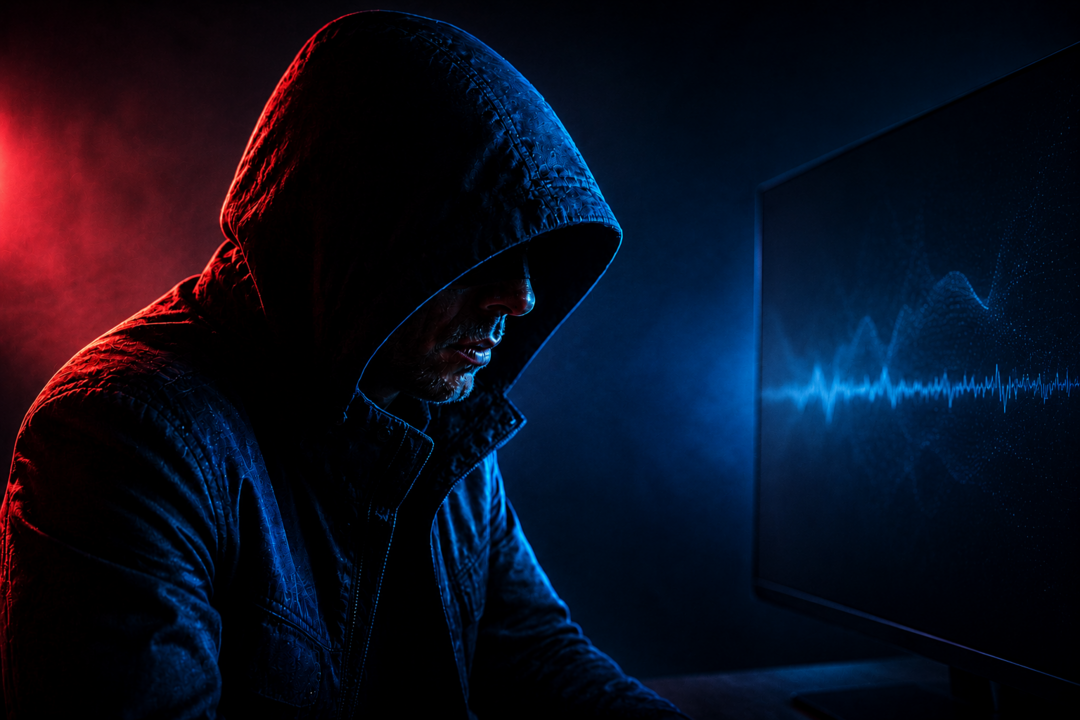
Deepfake robocalls and messages impersonating officials or candidates, discouraging turnout or providing false voting information, have appeared in multiple documented cases, exploiting voice cloning specifically because phone-based communication is harder to visually scrutinize than video.
Manipulated Context Around Genuine Content
Not all election-related synthetic media disputes involve fully generated content. Some of the most difficult cases involve genuine footage manipulated at the margins, altered timestamps, selectively edited context, or paired with fabricated captions, blurring the line between deepfake detection and broader disinformation analysis.
Erosion of Trust in Authentic Content
Beyond specific fabricated incidents, the mere existence of convincing deepfake technology has created a secondary effect: genuine, damaging footage of a candidate can be dismissed as fabricated, giving bad actors a plausible deniability defense even against authentic evidence. This dynamic, often called the liar's dividend, may ultimately prove as corrosive to election integrity as the deepfakes themselves.
How Platforms Are Responding
Content Provenance and Labeling Standards
Major platforms have increasingly adopted C2PA-based content credentials and AI-generated content labeling, particularly around election periods, giving users a technical signal about content origin even when visual inspection alone wouldn't reveal manipulation.
Rapid Response Detection Partnerships
Some platforms have established expedited review processes specifically for election-period content, recognizing that standard content moderation timelines are often too slow to prevent meaningful damage from a well-timed fabrication.
Political Advertising Disclosure Requirements
Several jurisdictions have introduced or strengthened requirements for disclosing AI-generated or manipulated content in political advertising specifically, though enforcement consistency varies considerably and synthetic content distributed outside formal advertising channels often falls outside these requirements entirely.
How Governments and Civil Society Are Responding
Legal Frameworks Targeting Election-Specific Deepfakes
A growing number of jurisdictions have introduced legislation specifically addressing deepfakes in election contexts, often focused on disclosure requirements or restrictions during a defined pre-election window, though the legal landscape remains fragmented and rapidly evolving.
Rapid-Response Fact-Checking Coalitions
Civil society organizations and media outlets have increasingly formed coordinated rapid-response networks specifically for election periods, aiming to compress the time between a fabrication surfacing and an authoritative response reaching a comparable audience.
Election Official Training and Preparedness
Election officials and campaign staff are increasingly receiving specific training on recognizing and responding to synthetic media threats, treating this as a core part of election security planning alongside more traditional concerns like cybersecurity and physical security.
This kind of coordinated, time-sensitive monitoring and response capability is exactly what Deepdive Forensics Lab supports through its election integrity monitoring services, built around the specific detection speed election periods demand.
Why Detection Speed Matters More Here Than in Other Contexts
In most deepfake detection contexts, a thorough, methodical forensic analysis is the right approach, even if it takes time. Election contexts compress that tolerance considerably. A forensically rigorous analysis that concludes three days after a fabricated video has already influenced public discourse has limited practical value, even if it's technically accurate.
This creates a genuine tension between speed and rigor that election-focused detection work has to navigate deliberately, often relying on rapid initial triage to flag likely fabrications quickly, followed by more thorough analysis to support any formal correction, retraction, or legal response.
A Misconception Worth Correcting
There's a common assumption that election deepfake risk is primarily about a single dramatic fabricated video going viral. In practice, some of the most consequential documented cases have involved lower-production audio content, robocalls, voice messages, which are cheaper to produce, harder to visually scrutinize, and can be distributed directly to targeted voter segments without going through public platforms where content moderation might catch them.
The Bottom Line
Deepfakes threaten elections in a way that's structurally different from most other deepfake harms, because the damage window is compressed and the cost of even eventual detection can be too slow to matter. Fabricated candidate statements, voter suppression content, and the broader erosion of trust in authentic footage all compound during the narrow, high-stakes window before votes are cast.
Effective response requires the same layered approach seen across other deepfake contexts, provenance standards, rapid detection, coordinated fact-checking, but with a premium on speed that most other applications of forensic media analysis don't face to the same degree.
Building this kind of rapid-response monitoring capability around critical election periods is the work Deepdive Forensics Lab does through its election integrity monitoring services.

.svg)
.svg)
.svg)
.svg)