

.png)
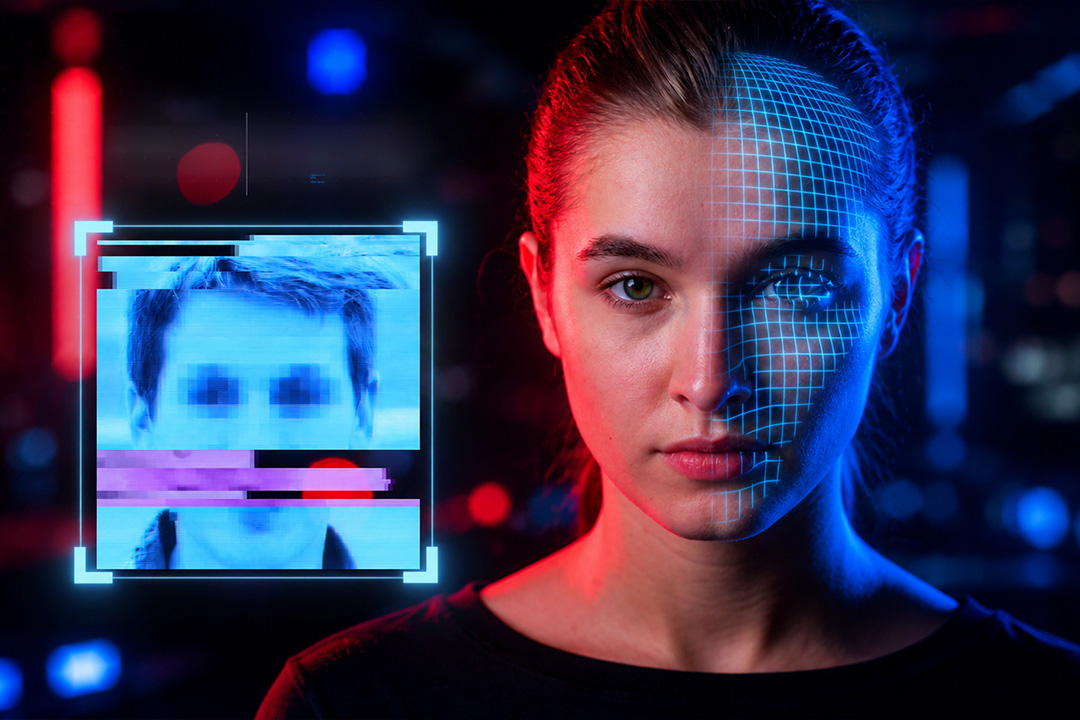
Banks have spent decades building fraud defenses around stolen cards, phished credentials, and compromised accounts. Deepfake fraud doesn't fit neatly into any of those categories. It targets the identity verification layer itself, the assumption that a face on a video call or a voice on a phone belongs to the person it claims to. For an industry built on trust and verification at scale, this is a foundational challenge, not an incremental one.
This post looks at how deepfake fraud is actually showing up across banking operations, what defenses institutions are building in response, and where regulatory expectations are heading. This is a threat landscape closely tied to the identity verification hardening work Deepdive Forensics Lab does with financial institutions building resilience into their verification pipelines.
Where Deepfake Fraud Is Hitting Banks
Account Opening and Remote Onboarding
Digital onboarding, now standard across retail and business banking, typically relies on a combination of document upload and video-based identity verification. Synthetic identity fraud, combining fabricated or stolen personal information with deepfake video or photo submissions, has become a documented method for passing these checks and opening accounts that are later used for money laundering or other fraud.
Voice Authentication Bypass
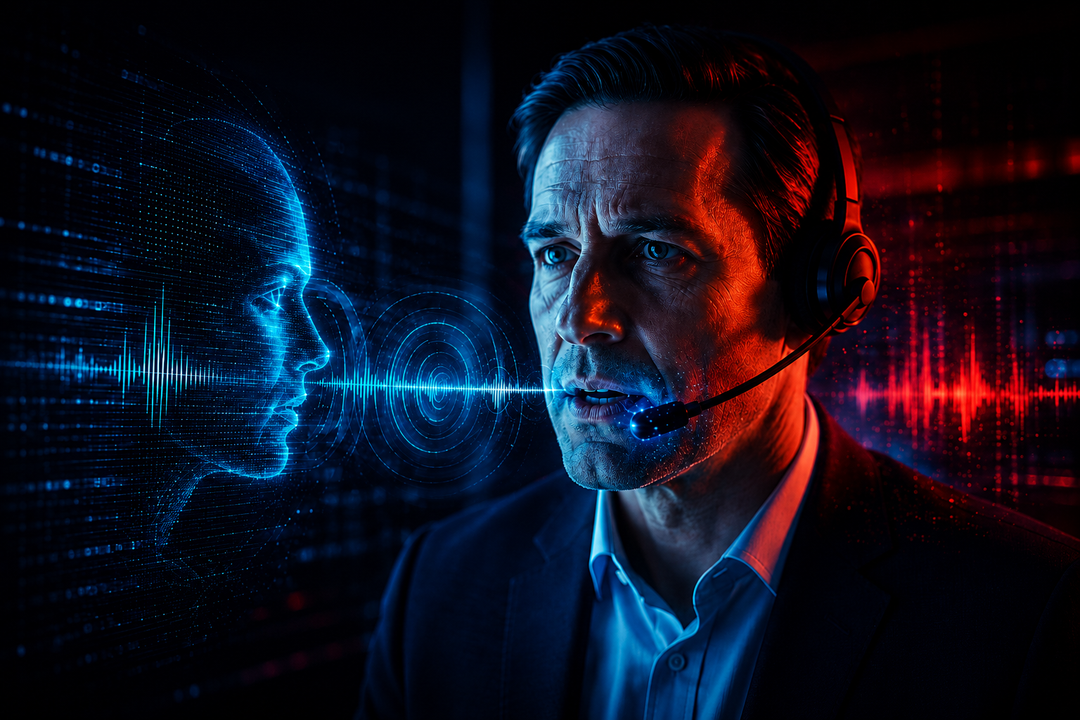
Many banks adopted voice biometric authentication for phone banking as a convenience and security upgrade over PIN-based systems. Voice cloning technology has directly undermined this assumption, with documented cases of cloned voices successfully passing voice authentication checks designed to verify caller identity.
Executive and Vendor Impersonation in Corporate Banking
Business banking relationships, particularly around wire transfers and large transactions, have seen the same CEO voice cloning fraud pattern used against corporate clients, sometimes directed at the bank's own relationship managers who are asked to expedite unusual transactions based on a convincing but fraudulent call.
Video-Based Dispute and Chargeback Fraud
Some institutions have reported disputed transactions supported by fabricated video evidence, submitted by customers attempting to support fraudulent chargeback claims, adding a new wrinkle to dispute resolution processes.
Core Defenses Banks Are Building
Layered Liveness Detection
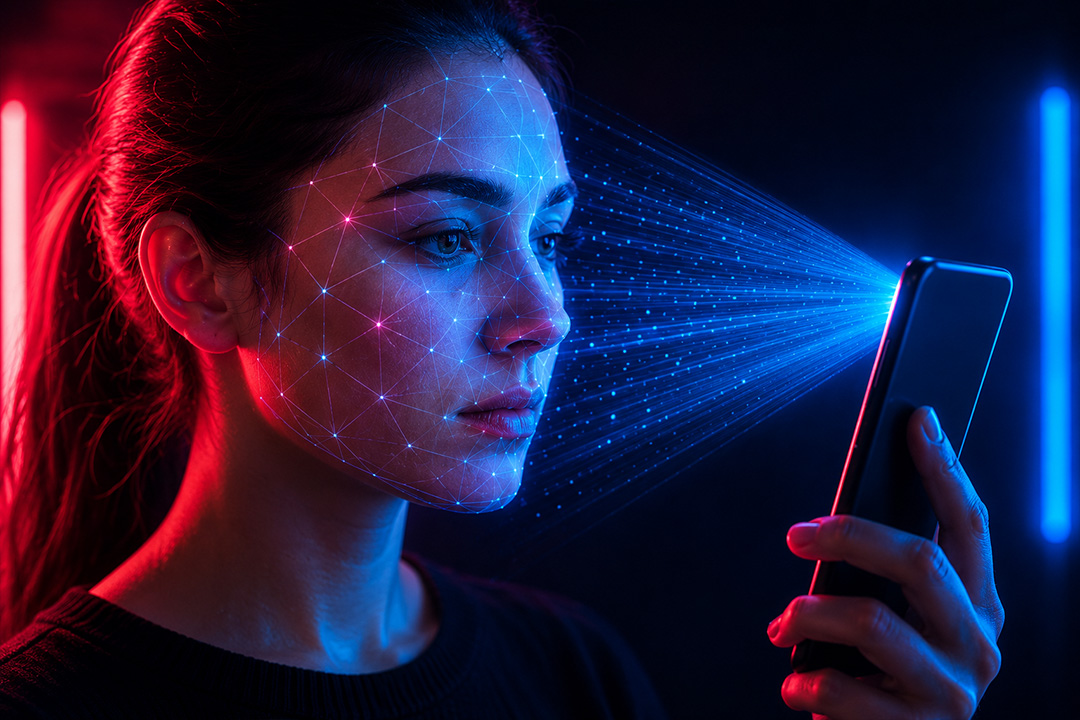
Rather than relying on a single check, banks are increasingly deploying multi-factor liveness detection during onboarding, combining passive analysis, checking for signs of screen replay or synthetic generation, with active challenges, asking a user to perform specific movements that are harder for deepfake systems to replicate convincingly in real time.
Document and Biometric Cross-Verification
Pairing government-issued ID verification with biometric matching, and cross-referencing both against independent data sources, government databases, credit bureau data, telecom verification, creates multiple independent points of failure an attacker has to defeat simultaneously, rather than a single check.
Voice Biometric Systems With Anti-Spoofing Layers
Banks still using voice authentication are increasingly pairing it with anti-spoofing detection specifically designed to identify synthetic or replayed audio, rather than relying on voice matching alone. Some institutions have begun phasing out voice-only authentication for high-risk transactions entirely, treating it as a convenience feature rather than a security boundary.
Behavioral Biometrics
Beyond visual and audio verification, some banks are incorporating behavioral signals, typing patterns, device handling, navigation behavior during a digital session, as an additional layer that's considerably harder for a fraudster to fabricate convincingly, even with sophisticated synthetic media.
Callback and Secondary Channel Verification for High-Value Transactions
For corporate and high-net-worth transactions above defined thresholds, mandatory callback verification through independently sourced contact information has become standard practice, mirroring the same defense used against CEO voice cloning fraud more broadly.
Building this kind of layered verification architecture, rather than depending on any single authentication method, is central to the identity verification hardening approach Deepdive Forensics Lab brings to financial institutions.
The Regulatory Landscape
Financial regulators globally have started paying closer attention to synthetic identity fraud and deepfake-enabled attacks, though formal, deepfake-specific regulation remains uneven across jurisdictions. Existing know-your-customer and anti-money-laundering frameworks are increasingly being interpreted to require deepfake-resistant verification methods, even where the regulation doesn't use that specific terminology.
Banks operating internationally face an added layer of complexity, since expectations and enforcement around synthetic media fraud vary considerably by jurisdiction. Institutions building forward-looking verification programs are generally aligning with the most stringent applicable standard rather than the minimum requirement in any single market, anticipating that regulatory expectations will continue tightening rather than relaxing.
Where Detection Technology Reaches Its Limits
Even well-resourced banks with sophisticated fraud detection systems face the same underlying constraint documented across other deepfake detection contexts. Detection tools perform well against known generation methods and degrade against novel ones, and a highly motivated, well-resourced fraud operation can specifically test its methods against commercially available detection tools before deploying them.
This is why the strongest bank defenses aren't built around a single detection technology, however sophisticated, but around layered verification requiring an attacker to simultaneously defeat multiple independent systems. A single point of failure, however well defended, remains a single point of failure.
A Misconception Worth Correcting
There's a tendency to treat deepfake fraud defense as primarily a technology procurement decision, buy the right liveness detection vendor and the problem is solved. In practice, the banks managing this risk most effectively treat it as a layered system design problem spanning onboarding, authentication, transaction monitoring, and staff training, with technology as one component rather than the whole solution.
The Bottom Line
Deepfake fraud attacks the identity verification foundation that banking, as an industry, depends on. Onboarding, phone authentication, and high-value transaction verification have all become documented attack surfaces, and no single defensive technology closes the gap on its own.
Banks responding effectively are building layered verification architectures that require an attacker to defeat multiple independent systems simultaneously, while staying ahead of a regulatory environment that continues tightening expectations around synthetic media resilience.
Helping financial institutions design and stress-test this kind of layered defense is the work Deepdive Forensics Lab does through its identity verification hardening services, built specifically for the fraud patterns banks are seeing today.


.svg)
.svg)
.svg)
.svg)