

.png)

A fabricated video of a CEO making inflammatory remarks doesn't need to fool everyone to do damage. It just needs to circulate long enough, and convincingly enough, to move a stock price, spook a customer base, or force a company into a defensive public statement it never should have had to make. The financial and reputational cost of deepfakes has moved well past the realm of IT risk assessments and into boardroom conversations.
This post looks at the concrete ways deepfakes damage businesses beyond direct fraud, how these incidents typically unfold, and what companies are doing to prepare for and respond to them. This reputational and brand protection dimension is a growing part of the media integrity and watermarking work Deepdive Forensics Lab does with corporate clients.
The Business Costs Beyond Direct Fraud
Much of the public conversation about deepfakes and business focuses on direct financial fraud, wire transfer scams, voice cloning attacks on finance teams. Those costs are real and quantifiable, but they represent only part of the broader business exposure.
Stock Price and Market Impact
Fabricated statements attributed to executives, particularly around earnings, mergers, or regulatory issues, have already demonstrated the ability to move stock prices before a correction can circulate, even briefly. In markets where algorithmic trading reacts to news sentiment at machine speed, even a short-lived fabrication can cause measurable financial disruption.
Customer Trust Erosion
Fabricated content suggesting a company mishandled a safety issue, discriminated against customers, or made an inflammatory public statement can damage customer trust rapidly, particularly when it aligns with existing public sentiment or controversy the company is already navigating.
Crisis Response Resource Drain
Even a quickly debunked fabrication forces a company to spend real time and resources on verification, legal consultation, and public communication, resources diverted from other priorities regardless of how the incident ultimately resolves.
Long-Tail Reputational Residue
Corrections rarely reach the same audience with the same intensity as the original fabrication. This means a debunked deepfake can leave a lingering reputational residue, a segment of the public who saw the fabrication but never saw the correction, long after the immediate incident has passed.
How Deepfake Reputational Attacks Typically Unfold
Fabricated Executive Statements
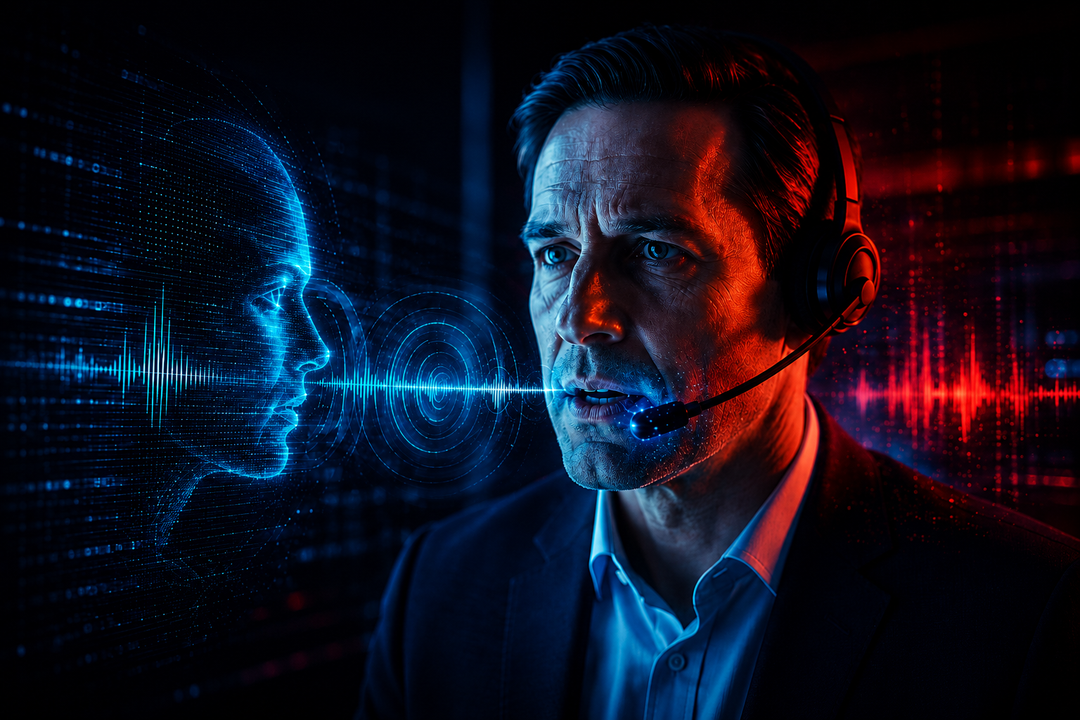
Synthetic video or audio depicting an executive making damaging remarks, whether about company performance, a controversial issue, or a competitor, remains one of the more direct reputational attack vectors, often timed to coincide with a sensitive moment like an earnings call or product launch.
Fabricated Product or Safety Claims
Deepfake content suggesting a product defect, safety failure, or regulatory violation can spread through consumer channels quickly, particularly on platforms where content moderation has limited visibility into private groups and messaging apps.
Manipulated Context Around Genuine Content
As with election-related cases, not every damaging incident involves fully synthetic content. Genuine footage selectively edited or presented with fabricated context can be equally damaging and, in some respects, harder to definitively debunk than a fully fabricated video.
Competitive and Malicious Targeting
Some documented cases involve deepfake content specifically deployed as part of a competitive attack or coordinated campaign against a company, rather than opportunistic or random fabrication, adding an intent dimension that shapes both the response and any potential legal action.
Building Organizational Readiness
Proactive Monitoring for Executive and Brand Mentions
Companies increasingly need some form of ongoing monitoring for synthetic content using executive likenesses or brand assets, since early detection meaningfully shortens the window before a fabrication gains significant traction.
Pre-Established Verification and Response Protocols
As with election-focused rapid response, companies benefit from having roles, escalation paths, and communication templates established before an incident occurs, rather than improvising during an active crisis.
Legal Preparedness
Understanding the available legal avenues, defamation, platform takedown requests, in some jurisdictions specific deepfake legislation, before an incident happens allows a company to act quickly rather than researching options while damage is actively accumulating.
Coordinated Communication Across Legal, PR, and Security Teams
Effective response to a reputational deepfake incident requires legal, communications, and security functions working from the same verified information simultaneously, rather than each team operating on incomplete or conflicting understanding of what actually happened.
Helping companies build this kind of proactive monitoring and response readiness is central to the media integrity work Deepdive Forensics Lab does with corporate clients preparing for reputational risk from synthetic media.
The Role of Content Provenance and Watermarking
Beyond reactive detection, some companies are getting ahead of this risk by adopting content provenance standards, such as C2PA credentials, for their own official communications and executive appearances. This gives audiences and platforms a verifiable technical signal distinguishing authentic company content from fabrications, shifting some of the burden of proof onto anyone attempting to pass off synthetic content as genuine.
This proactive approach doesn't eliminate the risk of fabricated content circulating, but it does give a company a stronger, faster basis for disputing it once it does.
A Misconception Worth Correcting
There's a common assumption that reputational deepfake risk is primarily a concern for large, highly visible consumer brands and their executives. In practice, any company with public-facing leadership, earnings calls, media appearances, conference talks, carries meaningful exposure, and mid-sized companies often have less developed crisis response infrastructure to handle it when it occurs.
The Bottom Line
Deepfakes threaten businesses in ways that extend well beyond direct financial fraud, touching stock valuation, customer trust, crisis response capacity, and long-term brand credibility. The damage from even a quickly debunked fabrication rarely disappears cleanly, since corrections consistently underperform the reach of the original content.
Companies handling this risk well are building proactive monitoring, pre-established response protocols, and in some cases content provenance standards for their own official communications, rather than waiting to build a response plan during an active incident.
Helping organizations prepare for and respond to this reputational dimension of the deepfake threat is the work Deepdive Forensics Lab does through its media integrity and watermarking services.



.svg)
.svg)
.svg)
.svg)